Request Group
Digital infrastructure, filmed testimonials and a clearer invitation to residential homeowners and property managers.
- Professional Website
- Next.js
- Service Architecture
- Testimonial System
- CRM
- Automated Follow-up
- Quote Pipeline
- Meta Advertising
- Residential Audience Strategy
- Creative Testing
- 10+ Video Testimonials
- On-site Photography
- Ad Creative
The website in motion

The project
Request Group wanted to broaden the work it attracted and make its residential services easier to recognise. That required more than changing the advertising: the website, evidence and enquiry journey all needed to speak to the same customer.
We built the digital infrastructure and filmed more than ten video testimonials on site. The advertising and service content brought residential homeowners and property managers into focus, with a practical promise: one request, reliable completion and photo proof.
The commercial reasoning matters too. Different customer groups bring different quoting, scheduling and payment cycles. Looking at those differences alongside enquiry volume helps judge whether the marketing is supporting the way the business needs to operate.
Make residential work credible before the request.
Request Group’s engagement combined a clearer residential message, Meta advertising, a service-led website and filmed customer stories. The parts work together to help homeowners and property managers recognise the work the team can take off their hands.
- Step 01
Invite the right property enquiry
The residential audience strategy gave the advertising a specific job: attract homeowners and property managers who need practical help with their property. The website also gives organic service searches a place to land. Those entry points need to lead to a recognisable job, rather than a list of everything the business does.
- Step 02
Use customers to support the promise
On-site filming produced more than ten video testimonials, supported by real job photography. Hearing a customer explain the work gives the residential message substance and helps someone imagine handing over a similar job.
- Step 03
Make the service easy to identify
Cleaning, gardening, maintenance and trades cover different needs, even when they belong to one property. Service information and the enquiry form provide a path from the broad promise to a request the team can discuss and qualify.
- Step 04
Judge the change by residential fit
The review should distinguish residential and commercial requests when reliable records are available. A rise in total enquiries can hide whether the message is attracting the intended work, so the type of customer and job need to stay part of the assessment.
Two different problems
Unsuitable requests suggest revisiting the invitation and destination. Suitable requests that stall need a closer look at quoting and follow-up. Treating those as separate questions leads to more useful changes.
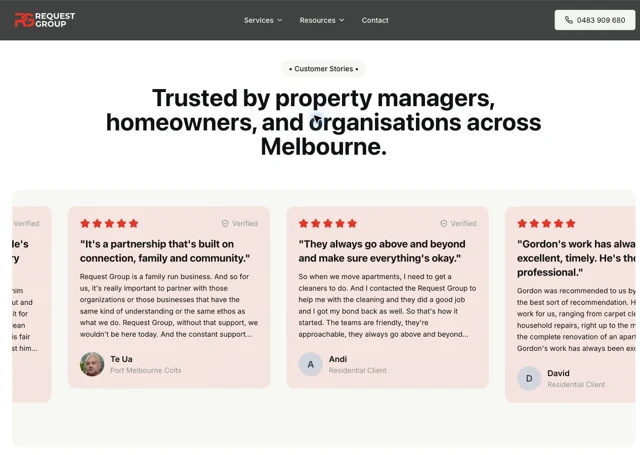
A closer look at the pages
Selected pages showing how the experience comes together.
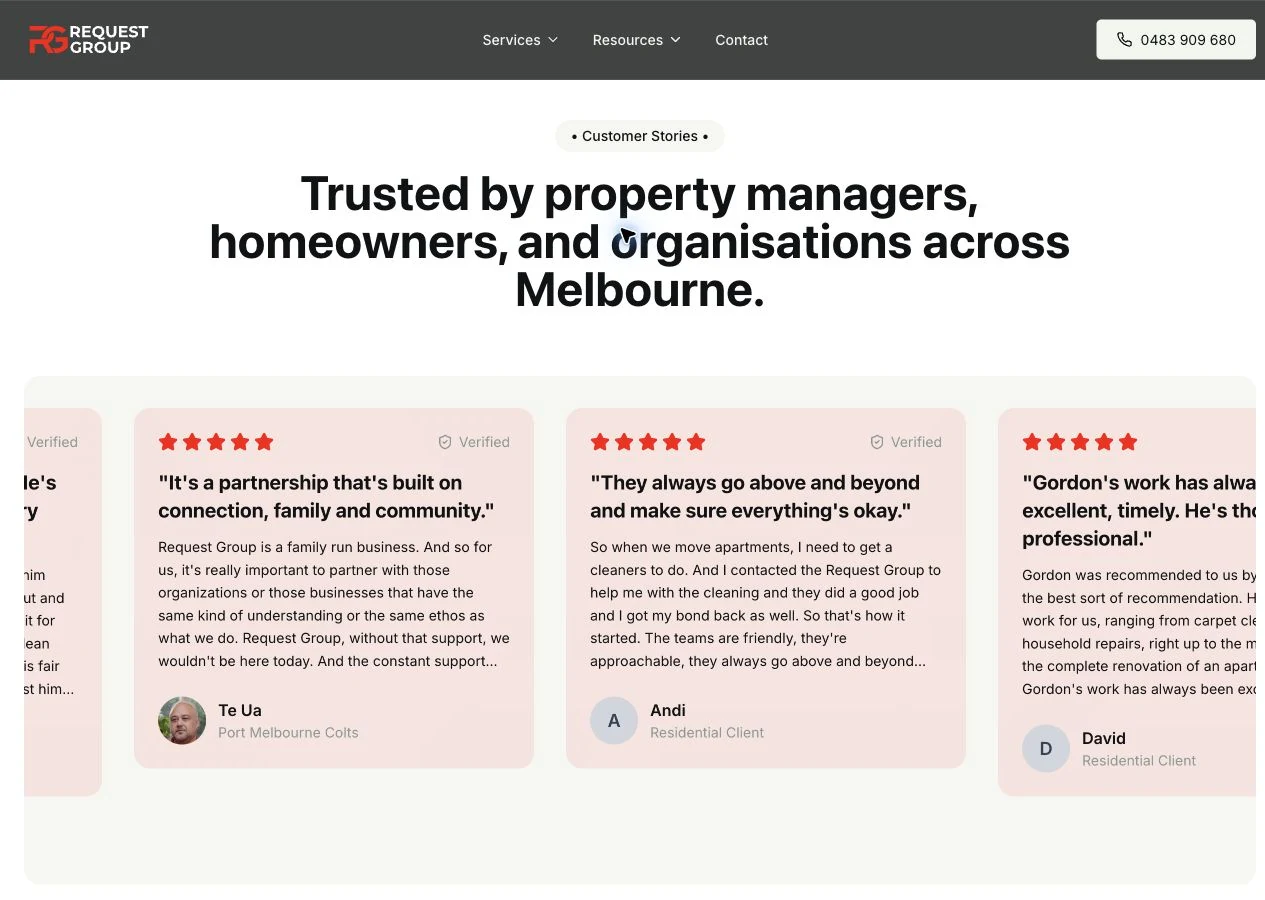
Customer stories
Real customer accounts support the service promise.
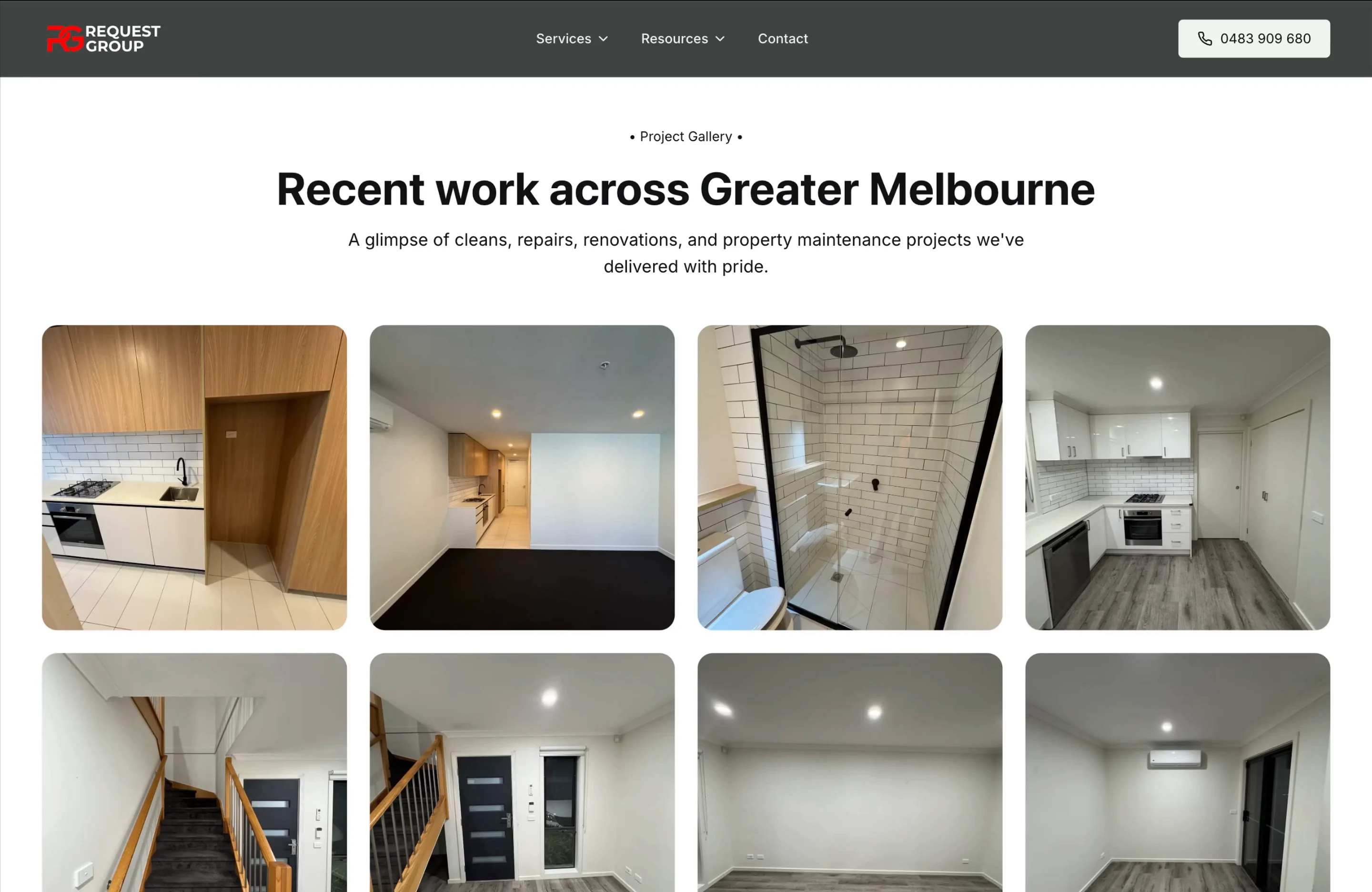
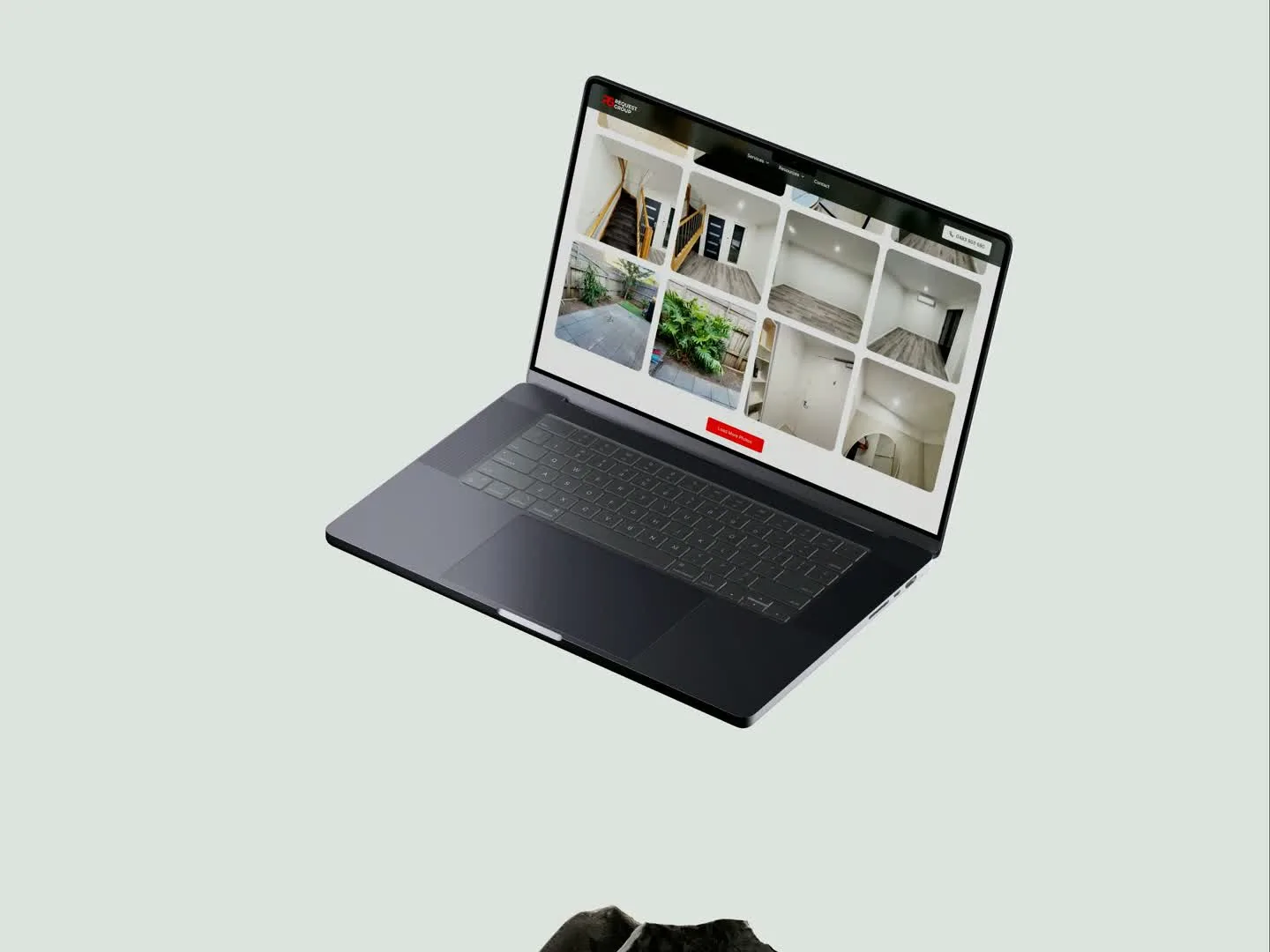
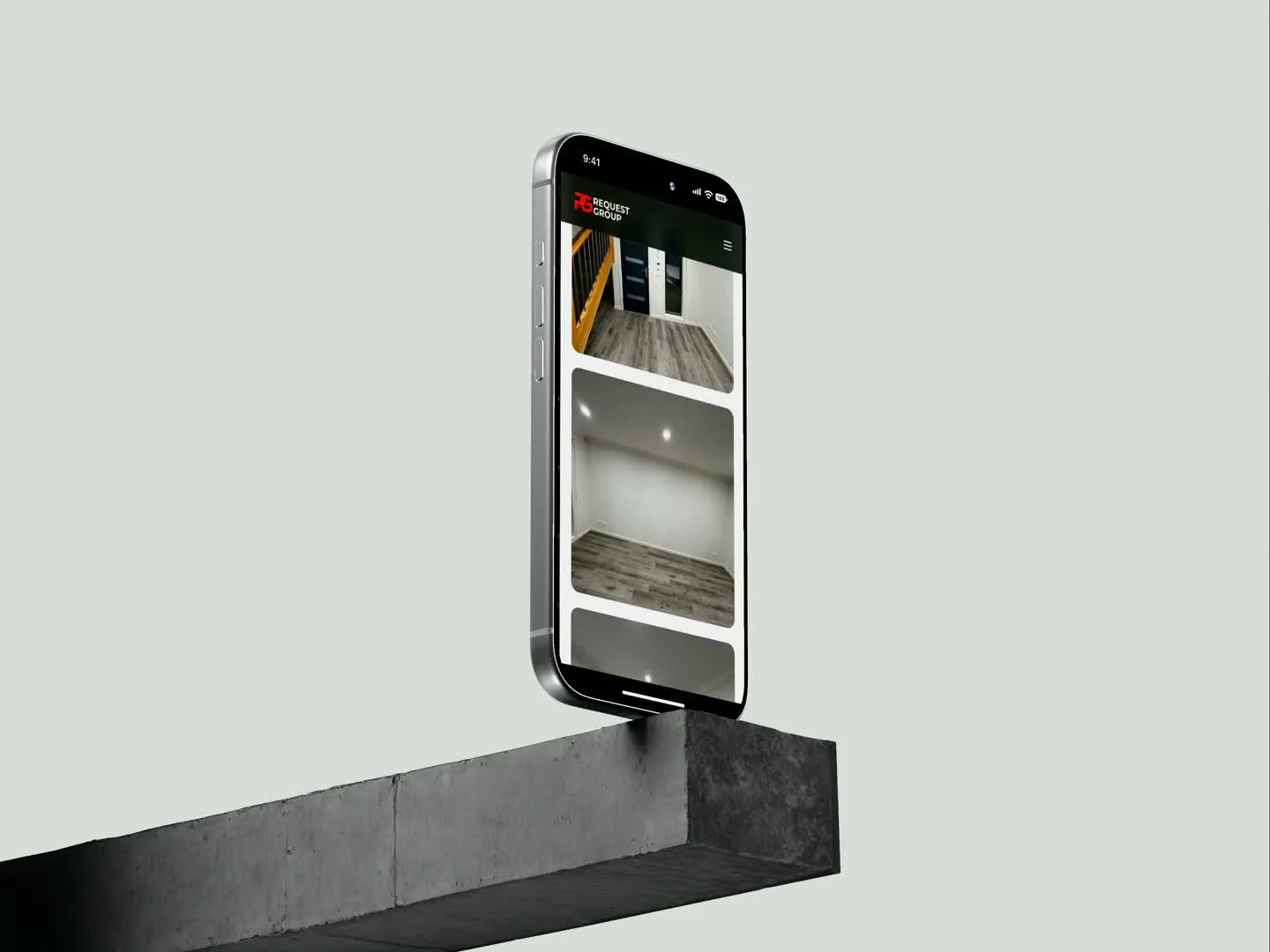
Recent property work
Real job photography supporting the property-care services.
Under the hood
Next.js service pages sit alongside customer stories, video testimonials and a Sanity-backed article system. The contact form connects to the enquiry platform. Reviewing customer and job types alongside those requests helps distinguish residential demand from commercial work without relying on a blended enquiry total.
Real work and real customer accounts give the service story substance. The site connects that evidence to an enquiry path the team can use.